
How to Choose the Right Commercial Roofing Contractor for Large Buildings: Part 2 of 2
Choosing the right commercial roofing contractor protects your investment. Ask the right questions, watch for red flags, verify experience and references, get everything in writing, and trust your instincts to ensure quality, safe, and lasting results.
.png)
🔲 Don’t Gamble with Your Roof, Ask the Right Questions First.
🔲 Spot Red Flags Before They Cost You Thousands.
🔲 Top Contractors Inspect First, Estimate Second.
🔲 Get Everything in Writing, Trust Your Gut Too.
Your commercial roof is one of your biggest investments, but a mistake in choosing the wrong contractor can cost your business thousands, sometimes tens of thousands, in repairs, lost productivity, and delays.
Every year, businesses face emergency roof replacements, leaks, and structural damage because of poorly executed work. Knowing how to identify a reliable, experienced commercial roofing contractor can save you time, money, and stress.
Here’s how to make sure your roof gets done right the first time.

Start with the Right Questions
Before signing anything, ask potential contractors these essential questions.
1. How long have you been working on commercial roofs?
Many people are told to choose a contractor based on years of experience with a specific roof type. But doing the same thing for 15 years doesn’t mean it’s being done well, it just means a habit has formed.
In roofing, long tenure often leads to outdated materials, old techniques, and resistance to change. True value comes from critical thinking, adaptability, and a commitment to using better systems as they evolve.
Lack of experience does not equal lack of wisdom. Years matter, but thinking, learning, and adaptability matter more.
2. Are you licensed, bonded, and insured?
This isn't negotiable. Request certificates for general liability and workers' compensation insurance. If someone gets hurt on your property and they're not covered, you could be liable.
3. Who will actually be doing the work?
Some contractors subcontract everything. You want to know who's climbing on your roof and whether they're trained employees or random subcontractors.
4. What warranties do you offer?
Experienced commercial contractors provide both manufacturer warranties on materials and workmanship warranties on their labor. A solid workmanship warranty should last at least five years.
Red Flags That Should Send You Running
Once you’ve asked the right questions, it’s equally important to recognize warning signs that indicate a contractor may not be trustworthy. Watch out for these.
Lowball estimates that seem too good to be true. They usually are. Contractors who drastically underbid competitors often cut corners on materials, skip proper prep work, or lack proper insurance.
Pressure tactics and same day signing bonuses. Legitimate contractors don't need to pressure you. If they're pushing you to sign immediately or offering steep discounts that expire today, walk away.
No local references. A contractor who can't provide recent local references either hasn't done much work in your area or left unhappy customers in their wake.
Cash only payment or full payment upfront. Professional contractors accept standard payment methods and typically work on a deposit-and-progress-payment schedule.
Vague or incomplete contracts. Everything should be in writing including materials, timeline, payment schedule, warranty details, and cleanup procedures.

What Separates the Best from the Rest
Exceptional contractors share these characteristics,
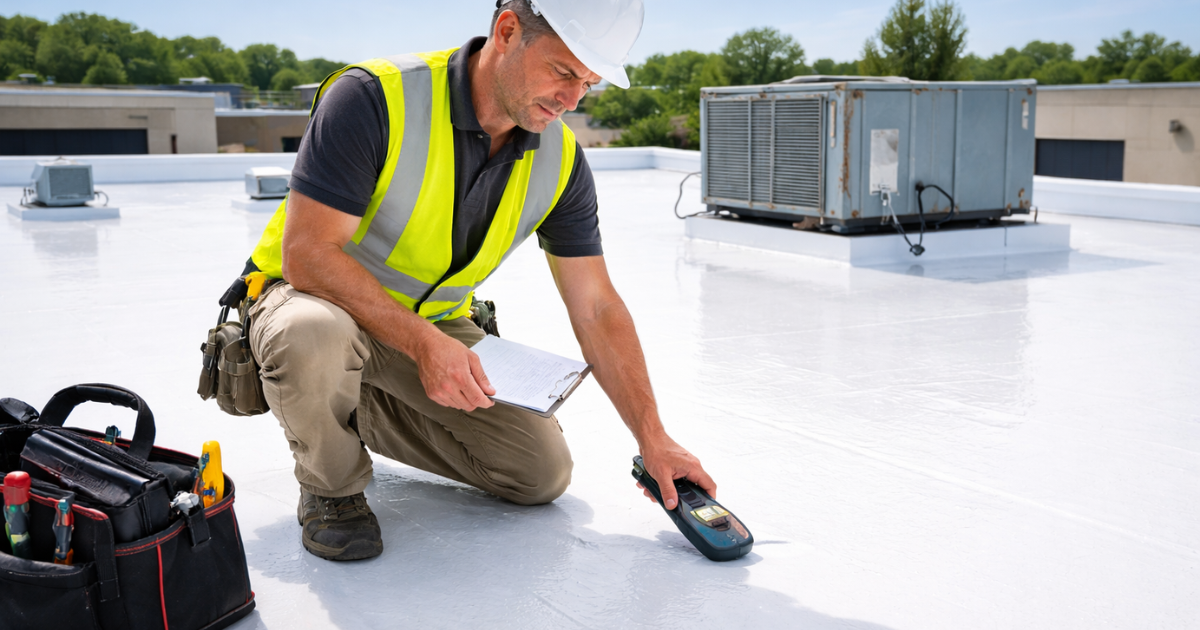
They inspect first, estimate second. Anyone giving you a quote without thoroughly inspecting your roof is guessing. Quality contractors physically examine your roof, identify underlying issues, and explain what you actually need versus what you might want.
They communicate clearly and consistently. From the first call to project completion, great contractors keep you informed. They explain technical issues in plain English, return calls promptly, and give you realistic timelines.
They carry manufacturer certifications. Top contractors invest in training and maintain certifications from major roofing manufacturers. This often means better warranties and access to higher quality materials.
.png)
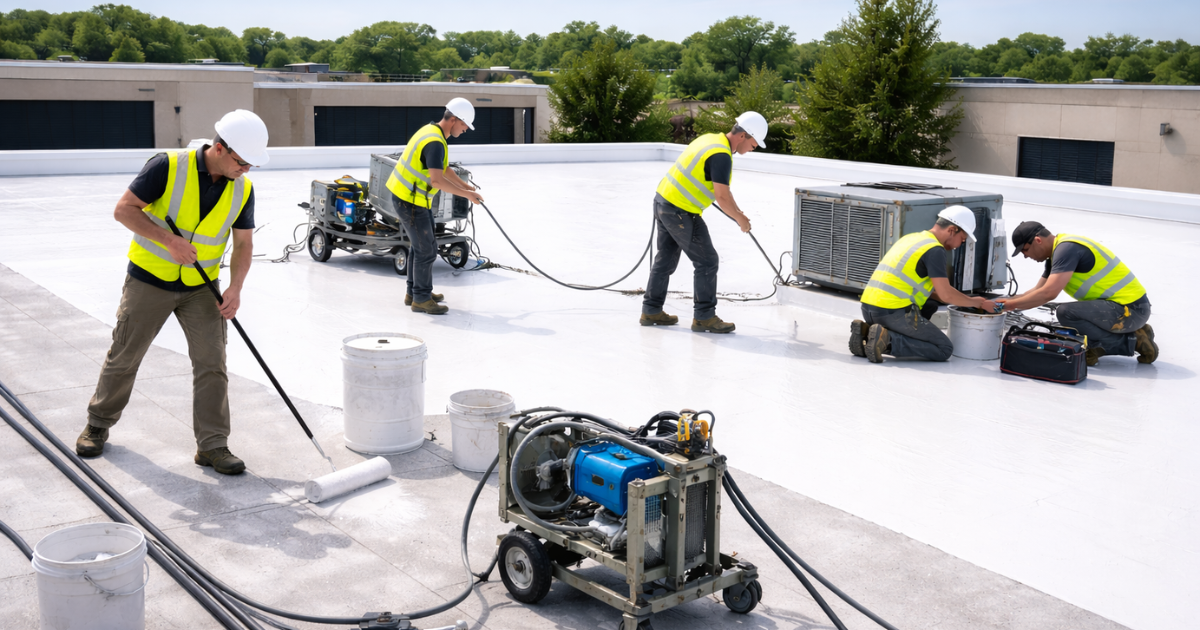
They prioritize safety. Professional contractors have written safety programs, conduct regular safety meetings, and follow OSHA regulations. Ask about their safety record and protocols.
They stand behind their work. The best contractors don't disappear after collecting final payment. They conduct follow up inspections and respond quickly if issues arise.
Check Their Track Record
Don’t just take their word for it. Do your homework by,
🔍 Checking online reviews on Google and industry specific sites
🏅 Verifying their Better Business Bureau rating and complaint history
📞 Asking for a list of recent commercial clients you can contact
🚗 Driving by some of their completed projects, if possible
When you call references, ask specific questions about,
⏱️ Whether they adhered to the original timeline
💬 How well they communicated throughout the project
🛠️ How they handled unexpected issues or changes
🔁 Whether the client would hire them again
Get Everything in Writing
Your contract should clearly spell out,
📋 The full scope of work, including specific materials and quantities
📅 Start and completion dates
💰 A payment schedule tied to project milestones
🛡️ Warranty terms for both materials and labor
✏️ Procedures for change orders
⚖️ Dispute resolution terms
Never accept a handshake deal, no matter how trustworthy the contractor seems.
Trust Your Gut
Even if the numbers and paperwork look correct, trust your instincts. A reliable commercial roofing contractor will answer your questions clearly and stand behind their work.
.png)
Choosing the right commercial roofing contractor ensures quality roof repair or replacement, protects your investment, and keeps your business safe for years to come.
We Love Conversations
 SoHelpful@PristineIndustrialRoofing.com