
Commercial Roofing 101: What Does Daddy Do All Day?
A facilities manager explains his job to his curious kid by comparing it to “babysitting buildings,” using simple, funny answers to explain how roofs work, why maintenance matters, and how ignoring small problems leads to big, expensive ones, showing that caring for roofs is practical, valuable, and surprisingly important.

🔲 Why roofs are flat (spoiler: they're not actually flat, mind blown!)
🔲 Whether you can rollerblade up there (nice try, Curtis)
🔲 Why buildings smell funny sometimes (daddy's got a whole job because of this)
🔲 If you can grow up to be a roofer (yes, and here's what that looks like)
🔲 What makes a roof happy (this one's surprisingly deep)
When your facilities manager comes home and the kids ask what you actually DO at work, here's the conversation that explains everything.
According to the U.S. Bureau of Labor Statistics, there are over 270,000 facilities managers in America, and approximately zero of their children fully understand what their parents do all day. Until now.
The Conversation That Started It All
Curtis: "Dad, what do you even DO all day?"
Bill: "Well buddy, I babysit buildings."
Curtis: "Buildings need babysitters?"
Bill: "Yep. Just like you need someone to make sure you eat your vegetables and don't jump off the couch, buildings need someone to make sure their walls don't fall down, their roofs don't leak, the water flows through all the pipes, and the power goes through all the cables."
Curtis: "That sounds boring."
Bill: "Sometimes it is. But sometimes it's like being a detective. Yesterday I had to figure out why one of my buildings smelled like old socks."
Curtis: "Did you find the socks?"
Bill: "Nope. It was mildew. Which is like building boogers."
Curtis: "GROSS! Can we talk about roofs now?"

The Basic Questions (That Aren't So Basic)
"Why Is a Flat Roof Flat?"
Curtis: "Dad, why is a flat roof flat? Why can't roofs have more slant?"
Bill: "Great question! Here's the thing, flat roofs aren't actually flat. They're just MOSTLY flat. They have a little bit of slope, kind of like when you tilt your plate so the ketchup runs to one side."
Curtis: "Why do they do that?"
Bill: "Because water needs somewhere to go. If the roof was completely flat like a table, the water would just sit there making puddles. And puddles on roofs are bad news."
Curtis: "Why can't they just make them super slanted like our house?"
Bill: "They could! But big buildings need flat roofs for a few reasons,
- They're cheaper to build (less material)
- You can put air conditioners and other equipment up there
- Sometimes people need to walk around up there to fix things
- The buildings would look really weird with giant pointy roofs"
Curtis: "Like a castle?"
Bill: "Exactly like a castle. Which would be awesome, but the city probably wouldn't let us."
Curtis: "Dad, why is the world flat?"
Bill: "Whoa there, buddy. THAT will be a fun adventure to explore on another day. Today we're just talking about roofs."

"What Makes the Water Stay on the Roof?"
Curtis: "You said water makes puddles on the roof. What makes it STAY up there? Why doesn't it just fall off?"
Bill: "Another great question! The water doesn't stay, it runs to special places called drains. Think of it like a bathtub. The roof is tilted JUST enough so all the water slowly flows toward the drains, then it goes into pipes inside the building and down to the ground."
Curtis: "What if the drains get plugged?"
Bill: "Then I get a phone call at dinner time and have to go fix it before the roof turns into a swimming pool."
Curtis: "Has that happened?"
Bill: "Once. There were leaves the size of pizza boxes clogging up a drain. The roof had six inches of water on it."
Curtis: "Could you swim in it?"
Bill: "Curtis, no."

"What Causes Dips for Ponding?"
Curtis: "What's ponding?"
Bill: "That's when water makes puddles that stay for more than a day or two. It happens when parts of the roof sink down a little bit, kind of like when you sit on your bed and make a dent."
Curtis: "Why does the roof sink?"
Bill: "Buildings get old, just like people. Sometimes the materials under the roof get squished down over time. Or maybe something heavy was sitting there for a long time. Or sometimes the building was just built a little bit crooked."
Curtis: "Can you fix it?"
Bill: "Yep! We can fill in the low spots with special materials, or we can put a whole new sloped system on top that makes the water flow the right direction."
"What Do You Mean 'Snow Load Area by the Gutter'?"
Curtis: "What's a snow load?"
Bill: "That's how much snow the roof can hold before it gets too heavy. Snow is REALLY heavy when there's a lot of it."
Curtis: "How heavy?"
Bill: "One cubic foot of wet, packed snow weighs about 20 pounds. So if you have a big roof with two feet of snow on it, that's like parking a bunch of cars up there."
Curtis: "Whoa."
Bill: "Yeah. And here's the tricky part, snow slides down and piles up near the gutters, just like when you push all your toys into a corner. So that area gets EXTRA heavy, and the building has to be strong enough to hold it."
Curtis: "What if it's not strong enough?"
Bill: "Then bad things happen. Roofs can collapse. That's why buildings in places with lots of snow, like here in Northwest Indiana, have to be built stronger."
Going Deeper (Curtis Gets Curious)
"What's Underneath the Roof?"
Curtis: "Is the roof just stuck on top like a lid?"
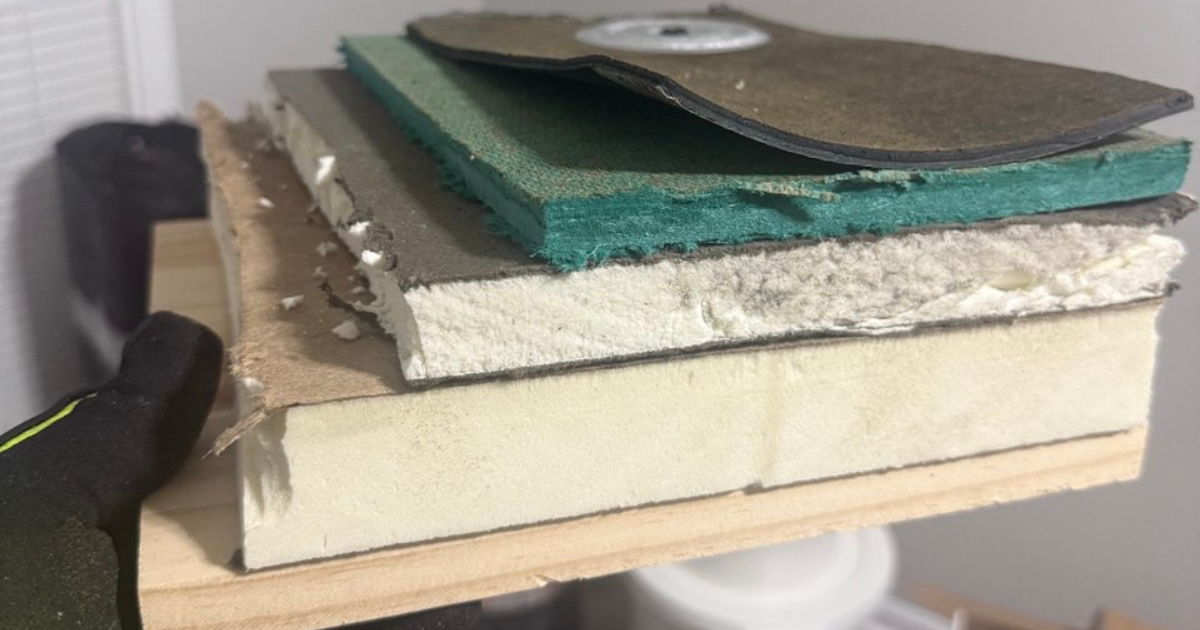
Bill: "No, there are actually lots of layers, kind of like a sandwich."
Curtis: "What kind of sandwich?"
Bill: "A weird one. From bottom to top, you usually have,
- The deck - This is like the bread. It's usually metal or concrete or wood boards that everything else sits on
- Insulation - This is like the cheese. It keeps the building warm in winter and cool in summer
- A vapor barrier - This is like plastic wrap. It stops moisture from sneaking in
- The waterproof layer - This is the actual roof material that keeps rain out
- Sometimes a protective layer - Like rocks or coatings to protect from sun and weather"
Curtis: "That's more than a sandwich. That's like a Big Mac."
Bill: "A Big Mac for buildings. Exactly."
"How Thick Is the Roof?"
Curtis: "How thick is all that stuff together?"
Bill: "Usually about 4 to 8 inches total, depending on the building and how old it is."
Curtis: "Can I poke a hole in it?"
Bill: "Please don't. But yes, you could. It's tough but not impossible to damage. That's why we have to be careful when we work up there."
"Does the Roof Help the Building Stay Warm?"
Curtis: "You said insulation keeps it warm. Does that really work?"
Bill: "Absolutely! Remember that cheese layer in the sandwich? That insulation can save HUGE amounts of money on heating and cooling."
Curtis: "How much?"
Bill: "A good roof with proper insulation can cut your heating and cooling costs by 20-40%. On a big building, that's like saving enough money every month to buy a new car every year."
Curtis: "Whoa. Why doesn't everyone have good insulation?"
Bill: "That's exactly why I have a job, buddy. Some buildings have old, crummy insulation. Or it got wet and doesn't work anymore. That's what I help fix."
The Fun Questions (Curtis Gets Creative)
"Why Is the Roof Black?"
Curtis: "Why are roofs always black? Black gets hot in the summer."
Bill: "You're exactly right! And that's actually a problem. Old fashioned roofs were made from big rolls of black rubber or tar, and yes, they get SUPER hot. On a summer day, a black roof can reach 170 degrees."
Curtis: "That's like cooking bacon!"
Bill: "Pretty much. And all that heat makes your air conditioner work harder. That's why newer, smarter roofs are often white or light colored. White roofs only get to about 120 degrees, which saves a ton of money on cooling."
Curtis: "So why don't people just paint their roofs white?"
Bill: "Some do! In fact, there are special coatings, my buddies at Conklin make really good ones, that go over old black roofs and make them white and waterproof. It's like giving the roof a fresh coat of sunscreen."

"Why Are There Rocks on My Roof?"
Curtis: "Some roofs have rocks on them. Why?"
Bill: "Great observation! Those rocks are called 'ballast,' and they have a few jobs,
- They hold the roof down so wind doesn't blow it away
- They protect the waterproof layer from sun damage (UV rays are mean to roofs)
- They help keep the roof cooler
- They give you something to walk on so you don't damage the actual roof"
Curtis: "Can I throw them?"
Bill: "Curtis, no. Also, those rocks are stuck up there. They're not coming down unless we take the whole roof apart."

"Since the Roof Is Flat, Can We Go Play Up There?"
Curtis: "It's flat, so can we play up there? Can I bring my rollerblades?"
Bill: "Nice try, buddy. No. Roofs are for working, not playing."
Curtis: "Why not?"
Bill: "Because,
- There's no fence around the edge, so you could fall off
- You could damage the roof and cause a leak
- There are rules, called OSHA rules, that say only trained people with safety gear can go up there
- Your mother would ground ME if I let you rollerblade on a roof"
Curtis: "What's OSHA?"
Bill: "OSHA people are kind of like policemen for the construction industry. They make sure nobody gets hurt. They're not there to get you in trouble, they're there to keep everyone safe. They make rules like 'you have to wear a harness' or 'you need a fence around the edge.'"
"What Stops People from Falling Off the Roof?"
Curtis: "So how do roofers not fall off?"
Bill: "They use special equipment,
- Harnesses that attach to their body like a seatbelt
- Rope systems that connect the harness to the building
- Guard rails around the edge in some places
- Training so they know what they're doing
If someone slips, the harness catches them before they fall more than a few feet."
Curtis: "Has anyone ever fallen?"
Bill: "Sometimes accidents happen, which is why safety is SO important. That's why we don't let kids up there, even really smart eight-year-olds who promise to be careful."

The Business Questions (Curtis Thinks About the Future)
"How Does the Roof Value Impact the Property Value?"
Curtis: "Does a good roof make the building worth more money?"
Bill: "YES. A really good roof can add tens of thousands, even hundreds of thousands, of dollars to what a building is worth. Think of it like this, If you were going to buy a building, would you want one with a brand new roof, or one with an old leaky roof?"
Curtis: "New roof."
Bill: "Exactly. And you'd be willing to pay more for the one with the new roof because you wouldn't have to fix it yourself."
"What Happens If I Just Never Pay Attention to My Roof Again?"
Curtis: "What if someone just forgets about their roof?"
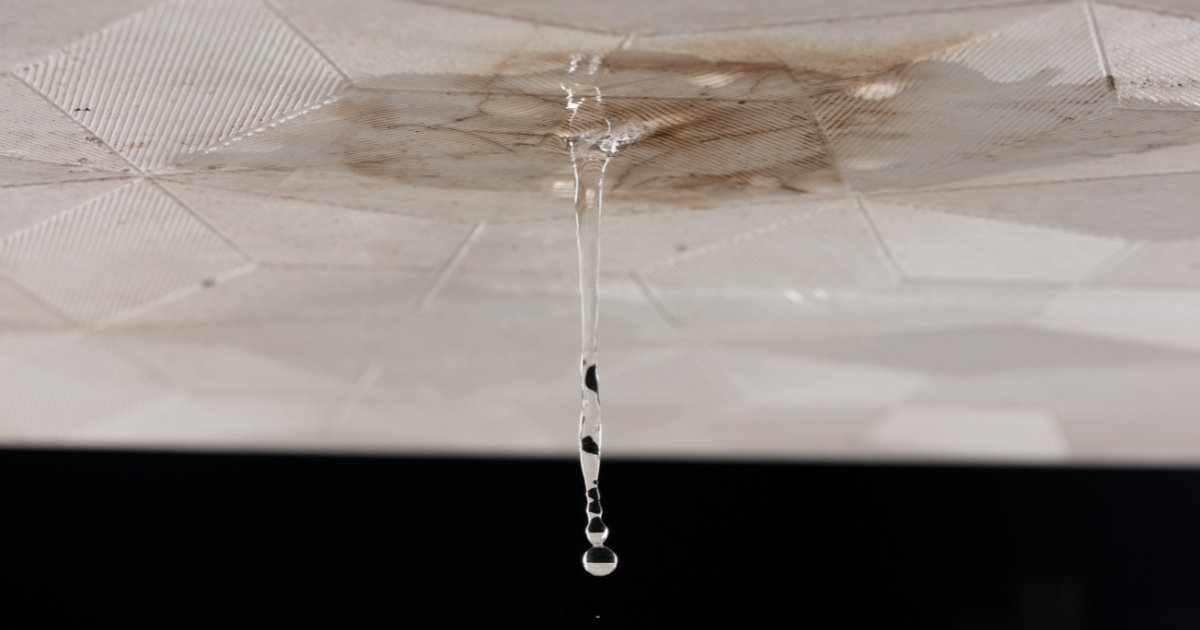
Bill: "Then the roof calls them on the phone by sending water into their building."
Curtis: "Roofs can't call people, Dad."
Bill: "True. But they get your attention real fast when it rains inside your building. Here's what happens when you ignore a roof,
- Small problems become big problems
- Leaks start (first small, then big)
- Insulation gets wet and stops working
- Mold and mildew grow (that's the stinky building smell)
- Eventually the whole roof fails and you have to replace it, which costs WAY more than just taking care of it"
Curtis: "How much more?"
Bill: "Taking care of a roof might cost $5,000 to $10,000 every few years. Ignoring it until it fails might cost $200,000 to $500,000 all at once."
Curtis: "That's a lot of money."
Bill: "That's why I have a job."
"When I Try to Sell the Building, How Do I Get My Roof Ready?"
Curtis: "If someone wants to sell their building, what do they do about the roof?"
Bill: "Smart question. They call someone like me to do a roof inspection. We check everything and tell them:,
- What condition the roof is in
- How many years of life it has left
- What repairs it needs
- How much those repairs cost
Then they can decide, fix it before selling (and get a better price), or sell it as is (but for less money). Most people choose to fix it because they make more money that way."
"Should I Hire a Professional or Just Do the Roof Myself?"
Curtis: "Could you just fix the roof yourself instead of hiring roofers?"
Bill: "Curtis, I supervise 12 buildings. If I tried to fix all the roofs myself, I'd never see you because I'd be living on rooftops. Also,
- I'm not trained for that kind of work
- I don't have the special tools
- I don't have insurance in case something goes wrong
- It's actually dangerous if you don't know what you're doing
- Good roofers can do in one week what would take me six months
So yes, I COULD try. But I'd probably fall off, do it wrong, and cost my company more money fixing my mistakes."
Curtis: "That makes sense."

The Career Questions (Curtis Plans Ahead)
"What If I Want to Grow Up and Be a Roofer?"
Curtis: "Do you think I could be a roofer when I grow up?"
Bill: "Absolutely! Here's how you'd learn,
- High school - Pay attention in math (you'll use it for measuring) and physics (you need to understand how things work)
- Get in shape - Roofing is physical work. You're carrying materials, climbing ladders, working in heat
- Apprenticeship - When you're old enough, you work with experienced roofers who teach you
- Certifications - Companies like Conklin train you in their specific systems
- Keep learning - Roof technology keeps getting better, so you never stop learning
It's honest work, and good roofers make really good money."
"How Do You Think Roofing Will Improve by the Time I Become a Teenager?"
Curtis: "Will roofing be different when I'm old enough to work?"
Bill: "Definitely. Here's what I think will change,
- Better materials - Coatings and membranes that last 40 to 50 years instead of 20
- Smarter roofs - Sensors that tell you when there's a leak before you can even see it
- Solar integration - More roofs will generate electricity
- Robots - Maybe robots that can apply coatings or spot problems
- Environmental focus - Roofs that clean the air or manage rainwater better
By the time you're 18, roofing might look completely different than it does now."
"Does Roofing Work Allow Me to Have a Nice House and Car and Good Groceries?"
Curtis: "Can roofers afford nice stuff?"
Bill: "Yes! Skilled tradespeople make REALLY good money. An experienced roofer can make $50,000 to $80,000 a year, and if you start your own roofing business and do it well, you can make a lot more than that. Plus,
- You're not stuck in an office all day
- You can see the results of your work
- You're solving real problems for people
- There's always demand (buildings always need roofs)
It's a great career if you like working with your hands and don't mind being outside."

The Silly Questions (Curtis Gets Weird)
"Can I Throw Things Up There?"
Curtis: "What if my ball goes on the roof?"
Bill: "Then you ask a grown up to get it, and you DON'T throw more things up there trying to knock it down."
Curtis: "But what if—"
Bill: "Curtis. No."
"Why Do Birds Land on the Roof?"
Curtis: "Why do birds like roofs?"
Bill: "Because roofs are flat, warm, and have a good view. It's like a penthouse apartment for birds. They can see everything, spot food, and hang out without cats bothering them."
"Can't We Just Take the Roof Off?"
Curtis: "What if you just took the roof off completely?"
Bill: "Then when it rains, everything inside gets wet. And when it snows, everything inside gets cold and buried. And when the sun shines, everything inside gets too hot. The roof's job is to keep the outside OUTSIDE and the inside INSIDE."
Curtis: "But what if it's nice weather?"
Bill: "Then you still need a roof because nice weather doesn't last forever."
"Can I Put a Window in the Roof?"
Curtis: "Why don't roofs have windows so you can see the sky?"
Bill: "Some do! They're called skylights. But every hole you cut in a roof is another place for water to leak in, so you have to be REALLY careful how you build them. Most big commercial buildings don't bother because the risk isn't worth it."
"Can I Land a Helicopter on the Roof?"
Curtis: "Can helicopters land on roofs?"
Bill: "Only if the roof is specially built for that. Most roofs can't handle a helicopter. A helicopter weighs as much as a school bus, and most roofs would collapse."
Curtis: "What about a SMALL helicopter?"
Bill: "Curtis, you're not landing any helicopters on any roofs."
.png)
The Deep Questions (Curtis Gets Philosophical)
"Why Does the Building Stink Like Mildew?"
Curtis: "You said one of your buildings smells bad. Why?"
Bill: "Because water got somewhere it shouldn't be. When water sits in hidden places, like inside walls or under the roof, it creates mold and mildew, which smell terrible. My job is to find where the water is coming from and stop it."
Curtis: "How do you find it?"
Bill: "Sometimes I can see it. Sometimes I use special cameras that show heat and cold spots. Sometimes I just follow my nose."
"How Old Is the Roof?"
Curtis: "How old are the roofs on your buildings?"
Bill: "It depends. Some are five years old, some are 30 years old. Most roofs last 15 to 25 years if you take care of them."
Curtis: "That's not very old."
Bill: "For a roof, it's pretty good. Think about it, roofs get beaten up by sun, rain, snow, wind, hail, birds, and temperature changes every single day. It's amazing they last as long as they do."
"What Makes a Roof Happy?"
Curtis: "Can roofs be happy?"
Bill: "You know what? In a way, yes. A roof is 'happy' when,
- It's clean and free of debris
- Its drains are clear
- It's properly maintained and inspected
- It's doing its job keeping water out
- It's not being damaged by people walking on it carelessly
When a roof is happy, the building is happy, the people inside are happy, and I get to come home for dinner on time."
"What's the Worst Thing That Could Happen to Your Roof?"
Curtis: "What's the WORST thing that could happen?"
Bill: "Complete failure. That's when the roof gets so damaged that it collapses or leaks so badly the building becomes unsafe. Then you have to evacuate everyone, shut down the business, and do emergency repairs that cost a fortune."
Curtis: "Has that happened to one of your buildings?"
Bill: "Not yet, and I plan to keep it that way by paying attention and fixing small problems before they become big ones."
"Do You Know Any Jokes About Big Roofs?"
Curtis: "Dad, do you know any roof jokes?"
Bill: "Why did the roofer go to therapy?"
Curtis: "Why?"
Bill: "Because he had too many hang ups."
Curtis: "That's terrible."
Bill: "What do you call a roof that never leaks?"
Curtis: "What?"
Bill: "A miracle."
Curtis: "Dad, these are BAD."
Bill: "I'm a facilities manager, not a comedian. But here's one more, Why don't roofers ever win card games?"
Curtis: "Why?"
Bill: "Because they're always on the deck!"
Curtis: "OKAY WE'RE DONE."
.png)
What Happens Next?
If you're a facilities manager and your kids are asking what you do all day, feel free to share this article. If you're a building owner trying to understand why you should care about your roof, hopefully Curtis asked the questions you were thinking.
And if you're actually considering a roof project, whether it's repairs, restoration, or replacement, we'd love to have a conversation. Not a sales pitch. Just a conversation.
We're Pristine Industrial Roofing. We're a Gospel Business, which means we run a commercial roofing company that happens to fund ministry work around the world. We specialize in Conklin coating systems and modern roof chemistry, and we work primarily in Northwest Indiana (Lake and Porter Counties).
We love talking about roofs, even with eight-year-olds.
The Bottom Line
Roofs aren't complicated once you understand the basics. They're systems designed to keep water out, insulation in, and buildings functioning. Whether you're explaining it to an eight-year-old or trying to figure out what to do about your 200,000-square-foot facility, the principles are the same,
- Pay attention before problems become emergencies
- Use quality materials and quality contractors
- Understand what you're buying
- Take care of what you have
And when your kid asks what you do all day? You babysit buildings. And that's actually pretty important work.
Related Resources
- Finding the Right Commercial Roofing Solution
- The Four Party Warranty Responsibility Matrix | Who Actually Pays When Your Roof Fails?
- Commercial Roof Warranties Explained | Protection Beyond the Installation
- The Complete Guide To Commercial Roofing Materials | Durability Meets Cost Effectiveness
- Before You Fix the Roof, Fix the Conversation
Deep Dive Into Specific Topics
- YourWarrantySaysWhat.com (Loophole analysis)
- SiliconeIsSilly.com (Why we don't do silicone)
- WeWashFlatRoofs.com (Maintenance matters)
- BigBeautifulRoofBill.com (Transparent pricing guide)
- ModernRoofChemistry.com (What's going on up there?)
- SchoolEnergyRebates.com (Energy grants for schools)
- RelationshipRoofing.com (What matters more?)
- MeetYourInstallers.com (Fabulous families)
- RoofServiceMenu.com (What are my options?)
- TenantRoofRights.com (Tenant questions)

We Love Conversations
 SoHelpful@PristineIndustrialRoofing.com